

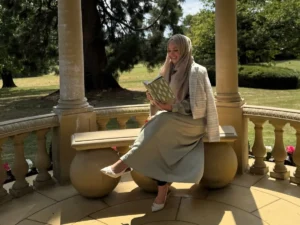
I acknowledge the beauty and importance of The Qur’an in Arabic. However, it’s crucial to read The Qur’an in a language you understand today, in order to critically reflect. Everytime I do, The Qur’an speaks directly to me.
Last night I was reading The Chapter of Repentence (Surah Tawbah) when The Qur’an spoke directly to a frustration I had been feeling lately:
People are being lied to about Islam
Islamophobes spreading lies about Islam, claiming that Islam was spread through financial oppression of taxes – specifically Jizyah tax. I knew this wasn’t true, but had been struggling to articulate it, until I was reading Surah Tawbah. This is a verse that the Islamophobes attempt to weaponsise against Islam, claiming it to be a blood thirsty financially oppressive regime. Social media is full of keyboard crusaders, copy and pasting misquoting Verse (Ayah) 29 specifically:
“Fight those who do not believe in God and the Last Day, nor comply with what God and His Messenger have forbidden, nor embrace the religion of truth from among those who were given the Scripture, until they pay the tax, willingly submitting, fully humbled.”
Qur’an 9:29
Misquoting The Qur’an
When read in isolation, without context or understanding of how to navigate The Qur’an, it appears to command war on non-believers. However, this couldn’t be further from the truth. Realities behind why verses like this were revealed is because The Prophet Muhammed ﷺ hated violence, war and conflict. He ﷺ was not born into a peaceful civilisation with laws to protect him as a faith minority. When The Qur’an was revealed, it threatened the very economics of the land he was in, as custodians of The Holy Kaaba and the tribes which protect it, were wealthy because of all of the idols within it. People would come Mecca to perform pilgrimage of these idols, enriching the land and the tribe leaders. Islam is a strictly monotheistic religion. Dismantling the tradition of Idol worship was a direct threat to the most wealthy and powerful tribes of ancient Mecca.
The Human Right to Self Defence
Companions of The Prophet ﷺ endured years of oppression, murder and looting of their wealth in Mecca. Vulnerable, they fled to The City of Medina. God commands them in this verse to fight back in an act of self defence. It is outlining who is lawful for them to defend themselves against in a context of battle or war, for the sake of defending their lives – to not harm innocent civilians. This verse was revealed when Muslims had fled from Mecca to Medina due to the severe persecution they faced. Muslims literally had to fight to survive, although The Prophet ﷺ himself hated to do so, it was necessary to protect the lives of his people. Many had already been murdered. Furthermore, he offered protection to non-Muslim minorities who lived under his leadership. The tax which is referred to here is the jizyah charges to non-Muslims under their careIn this verse Allah is commanding that non-Muslims contribute their share, in order to function a just and stable state.

Was there tax before Islam?
Tax systems have existed since ancient times. In The Old Testament, taxes are referred to on several occasions (Exodus 30:11-16, Deuteronomy 14:28-29, Ezra 4:20). In The New Testament, Jesus عليه السلام allows paying taxes to Cesar:
He said to them, “Then give back to Caesar what is Caesar’s, and to God what is God’s.”
Luke 4:20
Here, Jesus عليه السلام is separating out spiritual responsibilities from earthly ones, a distinction we also witness in the above verse in The Qur’an.
Taxes in the christian Byzantine empire were horrendously high, oppressing the poor and providing little in return. Those who couldn’t afford to pay their taxes under Byzantine rule faced severe consequences including imprisonment, seizing of ones property and slavery. Tax collection was often carried out by local officials, or “tax farmers,” who purchased the rights to collect taxes in a given area and were expected to meet a quota. These officials were known to use abusive and “strong-arm tactics,” sometimes employing “thugs” to ensure payment, as their own positions and wealth depended on successful collection.
What is tax in Islam?
Under Islamic rule, like in Christian rule, all individuals have financial obligations. Muslims have to pay Zakah, which is 2.5% of their savings annually. This applies to Muslims whose wealth is over a certain threshold called a nisab which is measured against the value of gold or silver. Currently, under the silver nisab, this equates to approximately £750. Under the gold nisab it is equivalent to approximately £8955. Muslims with wealth below this threshold are considered exempt. This obligation is not binding upon both non-Muslims or the poor. As this tax is not chargeable to non-Muslims a separate tax was introduced for non-Muslims living under Muslim leadership called Jizyah.
What was Jizyah tax?
Non-Muslims who chose not to enter into Islam and remain in their religion, had to pay an annual tax called Jizyah. This provided them with services such as protection from foreign enemies. In ancient times it was equivalent to 1 dinar or the equivalent of 4.25g of gold annually. Today, this is equivalent to £400-£450 per year (a fraction of your council tax or income tax – of which you have to pay both!) This amount easily equates to less than the average annual Zakah of a wealthy Muslim, who pay thousands in Zakat annually. Yet wealthy people converted to Islam in the masses, along with the poor. Clearly there are other factors aside from tax systems that made Islam attractive to enter into, as a wealthy person could pay less jizyah than Zakah if they didn’t enter into Islam. Furthermore, if Muslim armies failed to protect their non-Muslim residents from invading attacks, they would refund their jizyah tax. What tax system do you know of which only charges you around £400 per year and refunds you for poor public service?
Were non-Muslims financially forced to convert to Islam?
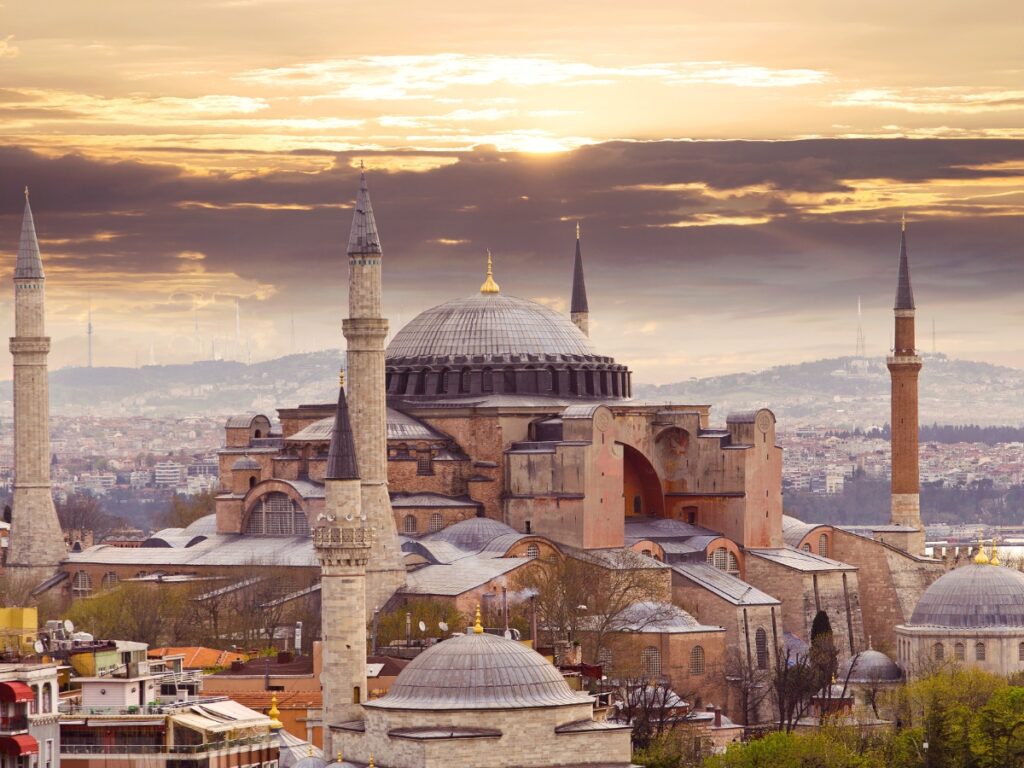
At the time when early Muslim empires were established, taxes in the Byzantine empire were extremely high and oppressive. The poor were oppressed and received little in return. As Islam spread, with Arab armies arrived fair and generous tax systems. However, these systems liberated the poor from the oppressive Christian imposed tax, regardless of their faith. Poor communities welcomed Arab armies, however, there was no obligation for them to convert. The Jizyah tax was already far below what they were paying under Byzantine rule. Islam, with it’s fair principles rooted in justice and equality for all, certainly warmed the hearts of conquered lands towards the faith. Many of these populations already believed in God and accepted Islam from witnessing the liberation of their people under its rule from oppressive tax systems and also due to the Message of The Qur’an. In reality, both Muslims and non-Muslims were liberated under Muslim rule through tax reforms. Fair tax and generous social security were few of many blessings which caused the hearts of the masses to open to Islam.
Did all non-Muslims have to pay Jizyah?
No. Women, children, the elderly, the clergy, the poor, anyone who opted to join the army and anyone who was unable to work were exempt without penalty. The poor were supported by the state. Muslim leaders introduced the first social security system in the world, including free education.
Are lies being spread about Jizyah tax?
Most certainly. Multiple times per week in the comments section of Muslim content creators (usually on a completely unrelated topic) I see comments where the same thread of Qur’anic verses are copied and pasted in an attempted “gotcha” moment, which in reality just embarrassingly demonstrates their lack of education and ignorance. Tax is a common allegation that Muslims financially oppressed non-Muslim to convert. In reality, the opposite is true. Islamophobic extremists are spreading these lies against Islam in order to undermine the popularity of Islam through its Golden ages. However, history doesn’t lie. Legislation regarding tax was taken from footnotes in The Clear Qur’an, if you want to understand Islam for yourself, I recommend giving it a read!
Shall I write more blogs on these kind of issues? Let me know in the comments 👇🏻





3 responses
What a great post! It was very educating, I will put my hands up and say there was a lot I didn’t know in regards to this so thank you.
Yes you defo should once in a while write about these kind of issues alongside your normal content of course.
Thank you 🤲🏻 I’m glad you enjoyed the read. I think it’s important to always speak accurately about Islam when people make such false allegations, I’m glad to know people are reading!
You’re most welcome 😊 and I definitely agree with you there it’s a reminder for us all to spend some time to learn about issues so that when faced with such lies we can respond properly.